
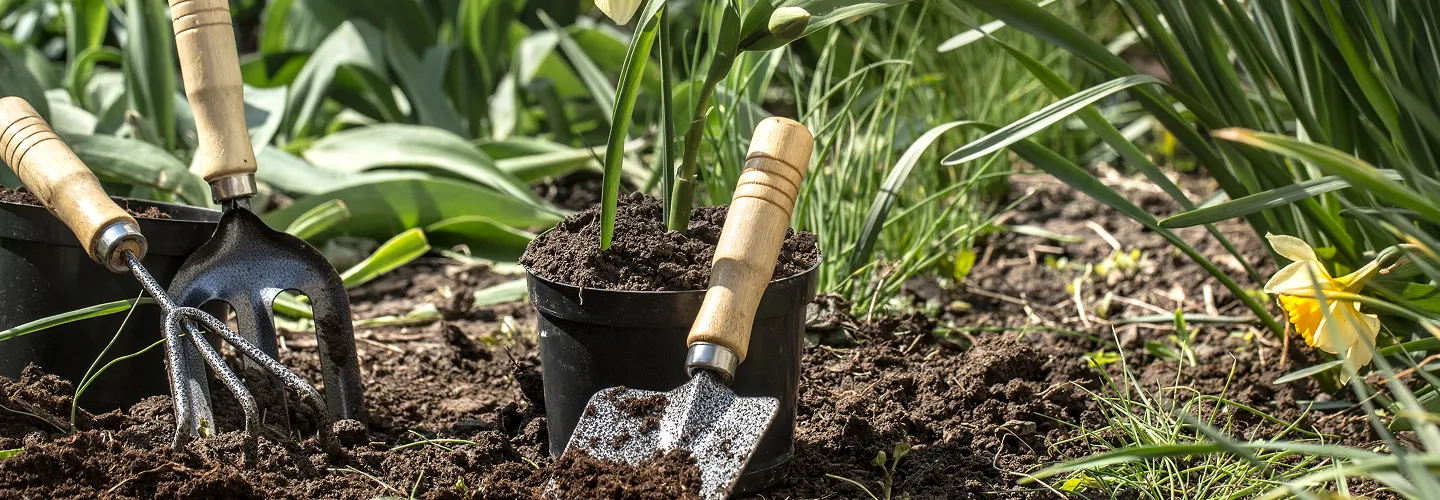
Vidalia Flower Bed Maintenance Services
Choose our expert Flower Bed Maintenance for lush, healthy blooms and a beautifully manicured landscape—enjoy hassle-free care from a trusted local team dedicated to making your garden thrive.
Get a Free QuoteOur Vidalia Landscaping & Yard Care Services
When to Schedule Flower Bed Maintenance in Vidalia, Georgia – Seasonal Guide
In Vidalia, Georgia, the best times for flower bed maintenance are closely tied to our unique climate and local landscape features. Spring and early fall are generally optimal, as these periods avoid the extremes of summer heat and winter frost. Vidalia’s last frost typically occurs in late March, making early April ideal for planting and mulching, while September offers a window for refreshing beds before cooler weather sets in. Neighborhoods near the Vidalia Onion Museum or along Jackson Street often experience microclimates due to varying shade from mature oaks and pines, which can influence soil moisture and temperature.
Local factors such as high summer humidity, occasional drought risk, and the sandy-loam soils common in areas like Center Drive all play a role in determining the best maintenance schedule. Homeowners should also consider municipal guidelines and water restrictions, which can affect irrigation timing. For more information on local regulations, visit the official city resource.
Local Factors to Consider for Flower Bed Maintenance in Vidalia
- Tree density and shade coverage, especially in neighborhoods with mature canopies
- Soil type and drainage, with sandy-loam soils requiring different care than clay-rich areas
- Seasonal precipitation patterns and drought risk
- Frost dates and temperature fluctuations
- Municipal restrictions on watering or landscaping
- Terrain variations, such as sloped yards or low-lying areas prone to pooling
Benefits of Flower Bed Maintenance in Vidalia
Enhanced Curb Appeal
Weed and Pest Prevention
Healthier Plant Growth
Seasonal Color Management
Professional Landscape Expertise
Time and Effort Savings
Vidalia Flower Bed Maintenance Types

Seasonal Flower Planting
-
Weed Control Services
-
Mulching and Soil Conditioning
-
Pruning and Deadheading
-
Fertilization Programs
-
Pest and Disease Management
-
Irrigation System Maintenance
Our Flower Bed Maintenance Process
Site Evaluation
Weed Removal
Soil Preparation
Plant Care
Mulching
Why Choose Vidalia Landscape Services
-
Vidalia Homeowners Trust Us
-
Comprehensive Lawn Maintenance
-
Reliable Scheduling
-
Competitive Pricing
-
Experienced Professional Team
-
Satisfaction Guarantee
-
Personalized Service Plans
Vidalia's Sandy Coastal Plain Soils and Their Impact on Flower Bed Health
Vidalia sits within Georgia's Inner Coastal Plain region, where soils are predominantly sandy loams from the Tifton, Leefield, and Pelham soil series, as mapped by the USDA Web Soil Survey. These soils are characteristically acidic, often registering a pH between 4.8 and 5.8, and drain rapidly—sometimes too rapidly for flower beds to retain adequate moisture and nutrients. Property owners maintaining ornamental beds in Vidalia should account for several soil-specific factors:
- Nutrient leaching: Sandy soils allow nitrogen and potassium to wash below the root zone quickly, requiring slow-release fertilizer formulations rather than water-soluble applications.
- Organic matter deficiency: Native Coastal Plain soils typically contain less than 1.5% organic matter, making annual compost incorporation essential for bed vitality.
- pH correction: Lime applications may be necessary to raise pH into the 6.0–6.5 range preferred by most ornamental annuals and perennials.
- Moisture retention: A 2–3 inch layer of pine bark or pine straw mulch helps moderate soil temperature and slow evaporation during Vidalia's long, hot summers.
The UGA Cooperative Extension recommends soil testing every two to three years to guide amendment decisions. Vidalia falls within USDA Hardiness Zone 8b, with average minimum winter temperatures between 15°F and 20°F, which influences both plant selection and the timing of bed preparation each season.
Seasonal Flower Bed Maintenance Timing for Vidalia's Extended Growing Season
Vidalia's long warm season—typically stretching from mid-March through early November—creates both opportunities and obligations for flower bed upkeep. The National Weather Service data for the region indicates average last spring frost dates near mid-March and first fall frost dates in mid-November, giving property owners approximately eight months of active growing conditions. Effective seasonal maintenance should follow this general framework:
- Late February–March: Remove winter debris, cut back dead perennial growth, apply pre-emergent weed control before soil temperatures reach 55°F, and incorporate fresh compost into beds.
- April–May: Install warm-season annuals such as lantana, pentas, vinca, and zinnias after frost risk passes; apply 2–3 inches of mulch.
- June–August: Monitor irrigation closely, as Vidalia's summer highs regularly exceed 90°F with high humidity; deadhead spent blooms weekly to encourage continued flowering and reduce disease pressure.
- September–October: Transition beds by removing exhausted summer annuals and planting cool-season options such as pansies, violas, and ornamental kale.
- November–January: Apply a light layer of mulch for winter insulation, remove fallen leaves to prevent smothering, and plan spring amendments based on soil test results.
Consistent timing aligned with Vidalia's climate prevents weed establishment, reduces pest pressure, and maintains bed aesthetics year-round.
How Vidalia's Stormwater Drainage Patterns Affect Flower Bed Runoff and Erosion
Flower beds located near streets, parking areas, and drainage ditches in Vidalia require careful attention to runoff management. The city's relatively flat topography and sandy soils can create localized ponding during heavy summer thunderstorms, while sloped beds near roadways may channel sediment and mulch into municipal storm drains. Under the Clean Water Act and Georgia's stormwater management framework administered by the Georgia EPD Watershed Protection Branch, preventing pollutants—including fertilizer, pesticides, and displaced soil—from entering waterways is a shared responsibility.
Property owners and maintenance professionals should observe the following practices:
- Edge containment: Install landscape edging or stone borders to prevent mulch and soil from migrating into gutters, ditches, or storm inlets during rain events.
- Fertilizer setbacks: Apply granular fertilizers at least 10 feet from any drainage ditch, storm drain inlet, or curb line, and avoid application when rain is forecast within 24 hours.
- Mulch depth management: Maintain mulch at 2–3 inches; excessive buildup can float and clog downstream infrastructure.
- Bed grading: Ensure beds slope gently away from foundations and toward permeable lawn areas rather than toward impervious surfaces or drainage structures.
Vidalia's Public Works Department oversees street-side drainage infrastructure and right-of-way vegetation management. Property owners with flower beds adjacent to city rights-of-way should verify that plantings do not obstruct drainage flow or sightlines.
Vidalia Public Works Department
100 Main Street, Vidalia, GA 30474
Phone: (912) 537-4842
Official Website: Vidalia Public Works Department
Ordinance Compliance and Property Upkeep Standards for Vidalia Flower Beds
The Vidalia Code of Ordinances establishes expectations for property maintenance that directly affect flower bed care. Overgrown beds, accumulated debris, and neglected vegetation on residential and commercial properties may trigger code compliance action. The Vidalia City Marshal's office is responsible for enforcement of municipal regulations related to property appearance and nuisance conditions.
Key compliance considerations for flower bed maintenance include:
- Weed and overgrowth control: Beds that become overgrown with weeds or invasive vegetation may be cited under nuisance provisions; regular weeding and edging help maintain compliance.
- Debris and waste: Accumulated plant waste, dead annuals, and discarded mulch bags should be removed promptly rather than left in beds or along the curb.
- Visibility and access: Flower beds near sidewalks, driveways, and intersections must not obstruct pedestrian or vehicular sightlines; plantings should be kept below 30 inches in height within visibility triangles at corners and driveways.
- Invasive species management: Property owners should monitor beds for invasive plants such as Chinese privet, Japanese honeysuckle, and kudzu, which can spread to neighboring properties and public rights-of-way. The UGA Extension - Invasive Species program provides identification and management guidance.
Residents with questions about specific property maintenance requirements should contact the City Marshal's office to verify current standards before undertaking major bed renovations.
Vidalia City Marshal
Vidalia, GA 30474
Official Website: Vidalia City Marshal
Georgia Pesticide and Fertilizer Regulations Affecting Flower Bed Chemical Applications
Any professional applying pesticides to flower beds in Vidalia must comply with the Georgia Pesticide Use and Application Act of 1976, which requires proper licensing through the Georgia Department of Agriculture. This applies to herbicides used for weed control, insecticides for pest management, and fungicides for disease treatment in ornamental beds. Key regulatory points include:
- Commercial applicator licensing: Any person applying restricted-use or general-use pesticides for hire must hold a valid Georgia Commercial Pesticide Applicator License in the appropriate category (Category 3 covers ornamental and turf pest control).
- Label compliance: All pesticide applications must follow the EPA-approved product label, which is enforceable under both federal and state law.
- Record keeping: Licensed applicators must maintain records of each application, including product name, rate, date, location, and target pest, for a minimum of two years.
- Fertilizer regulation: The Georgia Fertilizer Act of 1997 governs the sale and labeling of fertilizer products; property owners should select products with appropriate nutrient ratios for Vidalia's acidic, sandy soils and apply according to soil test recommendations.
Homeowners performing their own bed maintenance are not required to hold a pesticide license but should still follow all product label directions and avoid applying chemicals near waterways, storm drains, or drainage ditches.
Georgia Department of Agriculture
19 Martin Luther King Jr. Drive SW, Atlanta, GA 30334
Phone: (404) 656-3641
Official Website: Georgia Department of Agriculture - Licensing, Certification and Employee Registration
What Neighborhoods Do We Serve Throughout Vidalia, GA?
- Downtown Vidalia: Older residential lots with mature shade trees, compacted soils from decades of development, and smaller bed spaces that require careful plant selection for partial-shade conditions. Proximity to municipal infrastructure means beds near sidewalks and streets must maintain clear sightlines.
- North Vidalia / Highway 280 Corridor: Properties along this corridor often feature larger commercial frontages and newer residential developments with full-sun exposure, making heat-tolerant annuals and proper irrigation essential for bed survival during summer months.
- Adams Park Area: Residential neighborhoods near Vidalia Parks and Recreation facilities with mixed sun and shade conditions, moderate lot sizes, and sandy loam soils typical of the region that benefit from regular organic matter amendments.
- South Vidalia / McIntosh Street Area: Established neighborhoods with mature landscaping, occasional drainage challenges in low-lying sections, and beds that may require raised planting or improved drainage to prevent root rot during heavy summer rains.
- Meadows / West Vidalia Subdivisions: Newer subdivision developments with open lots, full sun exposure, and recently graded soils that may be compacted from construction activity, requiring soil loosening and compost incorporation before bed establishment.
- Aimwell Road / East Vidalia: Semi-rural residential properties with larger lots, wooded edges, and potential deer pressure on ornamental plantings; bed maintenance here often includes wildlife deterrent strategies and shade-adapted plant selections.