
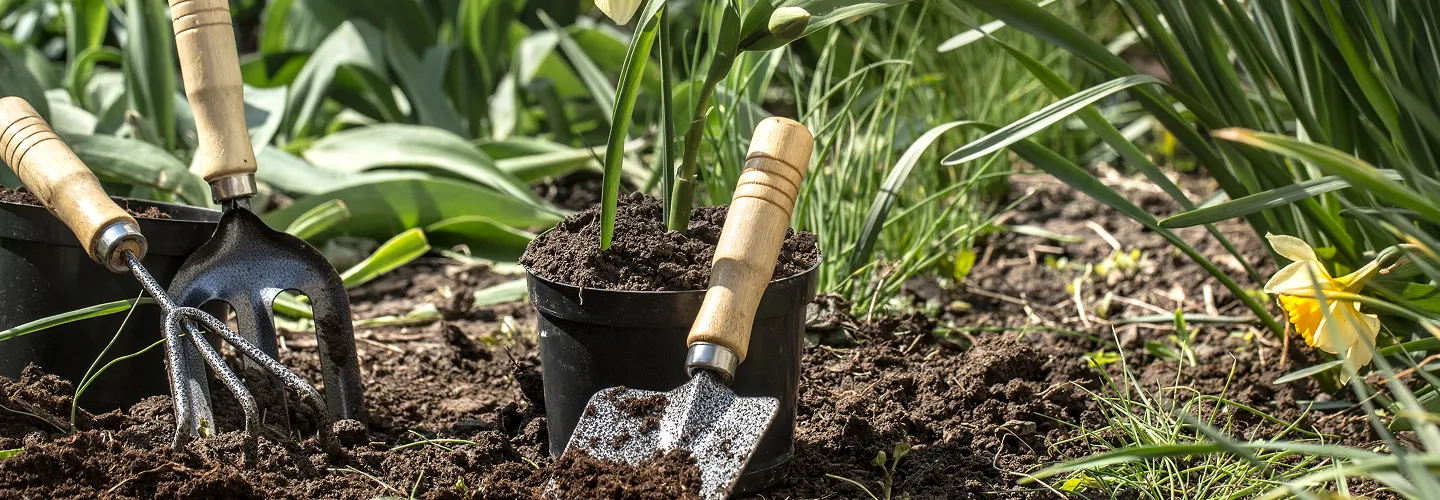
Vidalia Lawn Grubs Control Services
Choose our Lawn Grubs Control for proven, effective treatments that safeguard your grass, restore your yard’s health, and keep your outdoor space beautiful all season long.
Get a Free QuoteOur Vidalia Landscaping & Yard Care Services
When to Schedule Lawn Grubs Control in Vidalia, Georgia – Seasonal Guide
In Vidalia, Georgia, timing your lawn grubs control is crucial for maintaining healthy turf throughout the year. The optimal period for treatment typically falls between late spring and early summer, just after the last frost and before the peak of grub activity. Vidalia’s warm, humid climate—especially in neighborhoods near the Onion Festival grounds or along Jackson Street—creates ideal conditions for grubs to thrive, making proactive scheduling essential. Local soil types, which range from sandy loam to heavier clay, can also influence how quickly grubs establish themselves and how effective treatments will be.
Environmental factors such as the risk of summer drought, variable humidity, and the amount of shade from mature pecan and oak trees in areas like Pinecrest or near the Vidalia City Park all play a role in determining the best time for application. Homeowners should also be aware of municipal guidelines and seasonal precipitation patterns, which can affect both grub populations and the success of control measures. For more information on local regulations and best practices, visit the official city resource.
Local Factors to Consider for Lawn Grubs Control in Vidalia
- Tree density and shade coverage (e.g., mature trees in Pinecrest)
- Soil type (sandy vs. clay-heavy areas)
- Seasonal precipitation and drought risk
- Frost dates and temperature fluctuations
- Terrain and drainage patterns
- Municipal restrictions or guidelines
Benefits of Lawn Grubs Control in Vidalia

Effective Grub Elimination
Healthier, Greener Lawns
Eco-Friendly Treatment Options
Experienced Landscaping Professionals
Customized Lawn Care Plans
Long-Term Pest Prevention
Vidalia Lawn Grubs Control Types

Chemical Grub Control
-
Biological Grub Control
-
Organic Grub Treatments
-
Preventative Grub Applications
-
Curative Grub Treatments
-
Nematode-Based Solutions
-
Cultural Lawn Management
Our Lawn Grubs Control Process
Inspection and Identification
Customized Treatment Plan
Targeted Application
Monitoring and Follow-Up
Why Choose Vidalia Landscape Services
-
Vidalia Homeowners Trust Us
-
Comprehensive Lawn Maintenance
-
Reliable Scheduling
-
Competitive Pricing
-
Experienced Professional Team
-
Satisfaction Guarantee
-
Personalized Service Plans
Identifying White Grubs and Seasonal Damage Patterns in Vidalia Lawns
White grubs—the larval stage of Japanese beetles, June beetles, and masked chafers—are among the most destructive subsurface turf pests in Vidalia's USDA Hardiness Zone 8b climate. Vidalia's warm, humid conditions and sandy Coastal Plain soils in the Tifton-Clarendon-Pelham soil series create an environment where adult beetles deposit eggs in moist turf from late May through July. Larvae feed on grass roots approximately 1–3 inches below the soil surface from August through October, causing irregular brown patches that lift easily from the ground. Key identification steps include:
- Tug test: Damaged turf pulls up like loose carpet, revealing C-shaped white larvae beneath
- Threshold: Treatment is generally warranted when counts exceed 8–10 grubs per square foot, per UGA Cooperative Extension guidance
- Secondary indicators: Increased armadillo, mole, or bird activity in turf areas signals subsurface grub feeding
- Turf species affected: Centipedegrass, bermudagrass, and St. Augustinegrass—all common in Vidalia—are susceptible
Early detection in late summer is critical, as fall feeding causes the most visible turf loss before larvae burrow deeper for winter dormancy.
How Vidalia's Sandy Coastal Plain Soils Influence Grub Treatment Effectiveness
Vidalia sits within the Inner Coastal Plain region of Georgia, where predominant soil series such as Tifton loamy sand and Clarendon sandy loam present specific challenges for grub control product performance. These soils are characteristically well-drained with low organic matter content and acidic pH levels typically ranging from 4.5 to 5.8. These properties directly affect how grub control products behave after application:
- Rapid infiltration: Sandy soils allow liquid and granular insecticides to move quickly through the root zone, potentially leaching below the grub feeding depth if not properly irrigated
- Irrigation timing: Applications require 0.25–0.5 inches of irrigation immediately after treatment to move active ingredients into the top 1–3 inches where grubs feed, without over-watering past the target zone
- Soil pH effects: Acidic conditions can influence the breakdown rate of certain active ingredients, including chlorantraniliprole and trichlorfon
- Organic matter: Low organic matter reduces binding of insecticides in the soil profile, increasing the importance of precise application rates
Property owners should obtain a soil test through the UGA Cooperative Extension county office to understand site-specific pH and organic matter levels before selecting treatment products. The USDA Web Soil Survey provides detailed mapping of soil series across Vidalia properties.
Optimal Grub Control Timing for Vidalia's Extended Warm Season
Vidalia's long growing season—typically spanning from mid-March through early November—creates an extended window during which grub life cycles overlap with active turf growth. Effective grub management depends on aligning treatment type with the correct life stage of the pest. The National Weather Service Southeast Georgia forecasts help property managers track soil temperature trends that drive beetle emergence and egg-laying activity.
- Preventive applications (May–July): Products containing chlorantraniliprole, imidacloprid, or thiamethoxam target newly hatched larvae before significant root damage occurs. Apply when soil temperatures at 2-inch depth consistently reach 65–70°F, typically by late May in Vidalia.
- Curative applications (August–September): If grub populations exceed threshold levels, faster-acting products such as trichlorfon or carbaryl are applied to actively feeding larvae. Effectiveness declines sharply after mid-October as grubs move deeper into the soil.
- Fall monitoring (October–November): Conduct post-treatment inspections to assess turf recovery and confirm grub mortality before winter dormancy.
- Spring scouting (March–April): Overwintered grubs resume shallow feeding briefly before pupation; this window is generally too short for effective chemical treatment but useful for damage assessment.
Residents should note that Vidalia's warm soil temperatures can accelerate beetle emergence by 2–3 weeks compared to North Georgia locations, making early-season monitoring essential.
Protecting Vidalia's Drainage Corridors and Stormwater Infrastructure During Grub Treatment
Grub control applications within Vidalia city limits require careful attention to local drainage patterns and stormwater infrastructure. Vidalia's relatively flat topography and sandy soils direct surface runoff toward roadside ditches, storm drains, and tributaries of the Ohoopee River watershed. The Georgia Environmental Protection Division oversees water quality standards under the Georgia EPD Watershed Protection Branch, and all pesticide applications must comply with the Clean Water Act provisions enforced by EPA Region 4. Practical precautions for Vidalia properties include:
- Buffer distances: Maintain a minimum 10–15 foot untreated buffer from drainage ditches, retention ponds, and storm drain inlets
- Application timing: Avoid treating within 24 hours of forecasted rainfall exceeding 0.5 inches to prevent product runoff
- Granular vs. liquid: Granular formulations reduce drift risk near waterways; water in promptly with controlled irrigation rather than relying on rain
- Right-of-way areas: Properties adjacent to city-maintained ditches and drainage easements should coordinate with the Vidalia Public Works Department regarding vegetation management schedules to avoid treatment conflicts
The Vidalia Public Works Department manages roadside drainage infrastructure and right-of-way vegetation throughout the city. Property owners applying grub control products near these areas should verify current maintenance schedules to prevent product displacement during ditch clearing or mowing operations.
Vidalia Public Works Department
100 Main Street, Vidalia, GA 30474
Official Website: Vidalia Public Works Department
Georgia Pesticide Licensing Requirements for Professional Grub Control Applications
All commercial grub control applications in Vidalia must be performed by or under the direct supervision of a Georgia-licensed pesticide applicator. The Georgia Pesticide Use and Application Act of 1976 establishes the legal framework for pesticide use statewide, and the Georgia Department of Agriculture administers licensing through its Structural Pest Control Commission and agricultural pest control programs. Key regulatory requirements include:
- Applicator categories: Commercial lawn pest control falls under Category 3 (Ornamental and Turf Pest Control) certification through the Georgia Department of Agriculture - Licensing, Certification and Employee Registration
- Restricted-use products: Certain grub control insecticides are classified as restricted-use pesticides and require additional certification beyond the basic commercial license
- Record-keeping: Licensed applicators must maintain application records including product name, EPA registration number, rate, date, location, and target pest for a minimum of two years
- Label compliance: Georgia law requires strict adherence to EPA-approved product labels, which constitute the legal use standard
Property owners hiring grub control services should verify that the provider holds a current Georgia commercial pesticide applicator license. The Vidalia City Marshal's office handles enforcement of municipal ordinance compliance, and residents may review the Vidalia Code of Ordinances for any local provisions affecting pesticide application on residential or commercial properties.
Vidalia City Marshal
Official Website: Vidalia City Marshal
Georgia Environmental Protection Division
Official Website: Georgia Environmental Protection Division
What Neighborhoods Do We Serve Throughout Vidalia, GA?
- Downtown Vidalia Historic District: Older residential lots with mature shade trees and compacted soils often retain more moisture, creating favorable conditions for beetle egg-laying and grub development. Treatment access may require coordination around established landscaping and narrow lot configurations.
- Meadows at Vidalia: Newer subdivision development with open, sun-exposed bermudagrass lawns on graded sandy fill soils. These lots are particularly susceptible to rapid grub damage due to limited root depth in recently established turf.
- Adams Street and North Vidalia Corridor: Established residential properties near drainage ditches and low-lying areas where soil moisture levels remain elevated, increasing grub pressure and requiring careful buffer management during treatment applications.
- South Vidalia and GA-280 Corridor: Mixed residential and commercial properties with varied turf types, including centipedegrass and St. Augustinegrass, where grub monitoring should begin by late May due to heat accumulation along paved corridors.
- Pinehurst and Western Vidalia Neighborhoods: Wooded-edge lots with pine canopy influence soil acidity and organic matter levels, affecting both grub habitat suitability and insecticide performance in the root zone.
- Aimwell Road and Eastern Toombs County Fringe: Larger residential parcels transitioning to rural land use, where armadillo and mole activity often provides the first visible evidence of grub infestations in expansive turf areas.