
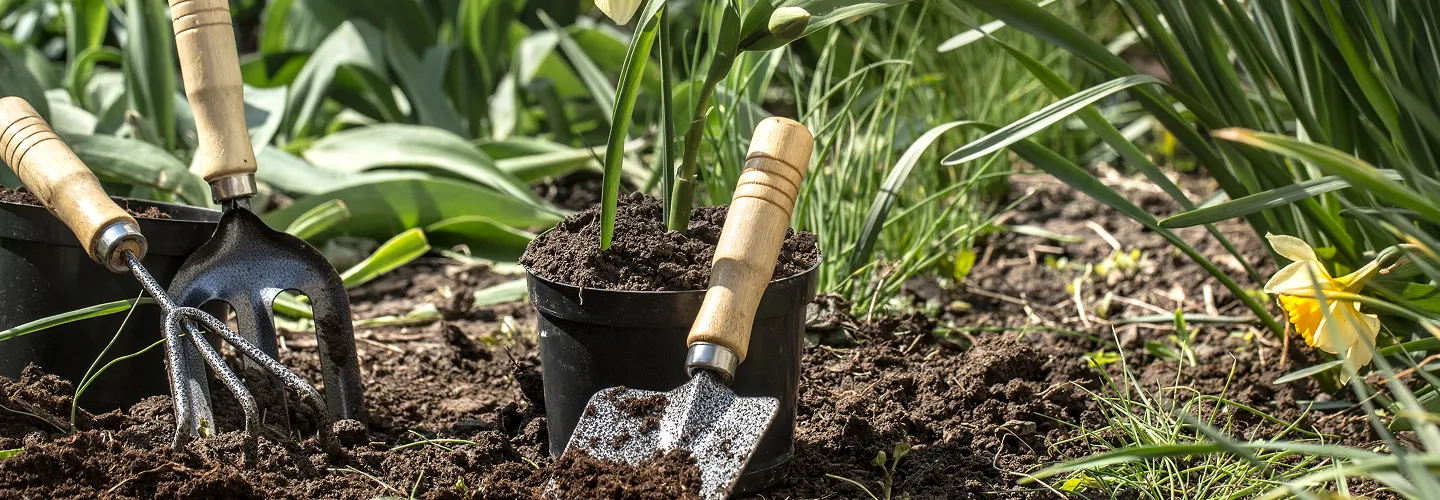
Vidalia Weeding Services
Choose our expert weeding services for a healthier, more beautiful landscape—our experienced team ensures your garden thrives by removing unwanted weeds quickly and efficiently, so you can enjoy a lush, vibrant outdoor space all season long.
Get a Free QuoteOur Vidalia Landscaping & Yard Care Services
When to Schedule Weeding in Vidalia, Georgia – Seasonal Guide
In Vidalia, Georgia, the best times to schedule weeding are closely tied to our unique climate and landscape. With mild winters and hot, humid summers, most homeowners in neighborhoods like Pinecrest and around the Vidalia Onion Museum find that early spring and late fall are optimal for tackling weeds. These periods align with the region’s last frost dates and precede the peak growing season, making it easier to manage invasive plants before they take hold.
Local factors such as sandy loam soils, common in the area, and the risk of summer droughts mean that timing is everything. Properties near the Altama Museum of Art & History or shaded lots along Jackson Street may experience different weed growth patterns due to varying sunlight and moisture levels. For more information on local environmental guidelines, visit the official Sudbury municipal site.
Local Factors to Consider for Weeding in Vidalia
- Tree density and shade coverage, which affect weed growth rates
- Soil type, especially sandy loam versus clay-rich areas
- Seasonal precipitation and drought risk
- Proximity to landmarks or water sources, influencing humidity
- Municipal restrictions or neighborhood association guidelines
- Terrain and slope, impacting water runoff and weed spread
Benefits of Weeding in Vidalia
Enhanced Curb Appeal
Healthier Plant Growth
Reduced Pest Infestation
Improved Soil Quality
Time and Effort Savings
Professional Landscaping Expertise
Vidalia Weeding Types

Hand Weeding
-
Mechanical Weeding
-
Mulching for Weed Control
-
Chemical Weed Removal
-
Flame Weeding
-
Soil Solarization
-
Selective Weeding
Our Weeding Process
Site Evaluation
Weed Identification
Targeted Removal
Soil Treatment
Final Inspection
Why Choose Vidalia Landscape Services
-
Vidalia Homeowners Trust Us
-
Comprehensive Lawn Maintenance
-
Reliable Scheduling
-
Competitive Pricing
-
Experienced Professional Team
-
Satisfaction Guarantee
-
Personalized Service Plans
Vidalia's Sandy Coastal Plain Soils and Their Impact on Weed Pressure
Vidalia sits within Georgia's Coastal Plain region in USDA Hardiness Zone 8b, where sandy, acidic soils—primarily from the Tifton and Leefield soil series—create conditions that favor aggressive weed establishment. These well-drained, low-organic-matter soils allow weed seeds to germinate rapidly, particularly during the long warm season that extends from late March through early November. The sandy texture and naturally low pH (typically 5.0–6.0) reduce turf density, giving opportunistic species an advantage. Common weed challenges in Vidalia include:
- Crabgrass and goosegrass in full-sun lawn areas from May through September
- Chamberbitter and spurge in thin turf and garden beds during peak summer heat
- Annual sedges and nutsedge in low-lying areas with poor drainage or compacted fill
- Virginia buttonweed in irrigated lawns, spreading aggressively in warm, moist conditions
Property owners can verify local soil characteristics through the USDA Web Soil Survey and consult the UGA Cooperative Extension for soil testing and species-specific weed management guidance tailored to southeast Georgia conditions.
Seasonal Weeding Windows and Timing for Vidalia's Extended Growing Season
Vidalia's long frost-free period—averaging 240 or more days annually—means weed pressure begins earlier and persists longer than in most of Georgia. Effective weeding requires attention to seasonal timing rather than a single annual effort. Key timing considerations include:
- Late February–March: Pre-emergent applications for summer annual weeds should be completed before soil temperatures reach 55°F at a 4-inch depth for three consecutive days. The National Weather Service office serving the Vidalia area can provide current soil temperature data.
- April–June: Peak germination period for warm-season annuals. Hand weeding and cultivation in garden beds should occur weekly during this window.
- July–August: Sustained temperatures above 90°F accelerate weed seed production. Removing weeds before they set seed is critical to reducing future pressure.
- October–November: Cool-season weeds such as henbit, chickweed, and annual bluegrass emerge as temperatures drop below 70°F.
Residents should note that Vidalia's average annual rainfall of approximately 47 inches, concentrated in summer thunderstorms, creates moisture surges that trigger rapid weed flushes in beds and turf alike.
How Vidalia's Code of Ordinances Addresses Nuisance Vegetation and Overgrowth
The City of Vidalia maintains municipal standards regarding property maintenance, including provisions related to overgrown vegetation and nuisance weeds. The Vidalia Code of Ordinances establishes expectations for property upkeep within city limits. Property owners and managers should be aware of the following compliance considerations:
- Lots with excessive weed growth or unmaintained vegetation may be subject to code enforcement action through the Vidalia City Marshal's office, which handles ordinance compliance matters.
- Violations may result in notice to the property owner, with a specified period to bring the property into compliance before the city takes corrective action at the owner's expense.
- Right-of-way frontage and sidewalk-adjacent areas must remain clear of encroaching vegetation that obstructs pedestrian or vehicular sightlines.
Property owners who receive a notice or have questions about vegetation height thresholds and compliance timelines should verify current requirements directly with the appropriate enforcement office.
Vidalia City Marshal
City of Vidalia, GA 30474
Official Website: Vidalia City Marshal
Protecting Vidalia's Drainage Ditches and Storm Infrastructure During Weed Removal
Vidalia's relatively flat topography and sandy soils rely on a network of roadside drainage ditches, culverts, and stormwater conveyances to manage runoff. Weeding activities—particularly mechanical removal, herbicide application, and soil disturbance in beds near these features—require careful environmental precautions. The Georgia EPD Watershed Protection Branch oversees water quality standards that apply to activities affecting stormwater conveyances statewide. Locally, the Vidalia Public Works Department maintains drainage infrastructure along city rights-of-way. Residents and contractors should observe the following practices:
- Avoid applying granular or liquid herbicides within 10–15 feet of open drainage ditches, culverts, or catch basins to prevent chemical runoff into downstream waterways.
- Do not deposit pulled weeds, soil, or organic debris into drainage channels, as accumulated material can obstruct flow and cause localized flooding.
- When weeding slopes adjacent to ditches, use erosion-control measures such as silt barriers or mulch cover to stabilize exposed soil.
- Schedule herbicide applications during dry periods; Vidalia's frequent summer thunderstorms can wash chemicals into stormwater systems within hours of application.
Vidalia Public Works Department
Official Website: Vidalia Public Works Department
Georgia Herbicide Regulations and Licensing Requirements for Professional Weed Control
When weeding services involve the application of herbicides—whether pre-emergent, post-emergent, or non-selective products—Georgia state law imposes specific licensing and regulatory requirements. The Georgia Pesticide Use and Application Act of 1976 requires that any individual applying restricted-use pesticides commercially hold a valid applicator license issued through the Georgia Department of Agriculture. Key regulatory points include:
- Commercial applicators must pass category-specific examinations and maintain current certification through continuing education.
- General-use herbicides applied by homeowners on their own property do not require a license, but label compliance is mandatory under both state and federal law.
- Record-keeping: Licensed applicators must maintain records of all applications, including product name, EPA registration number, rate, date, location, and target pest.
- Products containing 2,4-D, dicamba, or triclopyr require particular attention to application temperature limits and drift potential, especially near Vidalia's agricultural areas where Vidalia onion crops may be sensitive to herbicide drift.
Residents hiring professional weeding services should confirm that any contractor applying herbicides holds valid Georgia Department of Agriculture credentials and carries appropriate liability coverage.
What Neighborhoods Do We Serve Throughout Vidalia, GA?
- Downtown Vidalia: Older residential lots with mature shade trees, compacted soils, and narrow setbacks create persistent weed pressure in foundation beds and along sidewalks. Historic properties may have brick or stone borders that harbor weed growth in joints and crevices.
- Meadows at Vidalia: Newer subdivision development with open-sun lots and recently graded fill soils. Disturbed soils in these areas are highly susceptible to annual weed invasion during the first several growing seasons after construction.
- Adams Street and West Church Street Corridor: Established neighborhoods with mixed sun and shade conditions, mature landscaping, and drainage ditches along roadways that require careful weed management to maintain flow capacity.
- North Street and Hospital Area: Properties near Meadows Regional Medical Center feature a mix of commercial and residential lots where right-of-way vegetation maintenance and sightline compliance are particularly important.
- South Vidalia along GA-280: Larger residential parcels transitioning toward agricultural land, where invasive species such as torpedograss and cogongrass can encroach from adjacent fields and require vigilant monitoring. The UGA Extension - Invasive Species program provides identification resources for these species.
- Aimwell Road and Eastern Vidalia: Wooded lot edges and creek-adjacent properties in this area experience heavy shade-weed pressure from species like doveweed and Florida betony, compounded by moisture retention in low-lying sandy soils.