
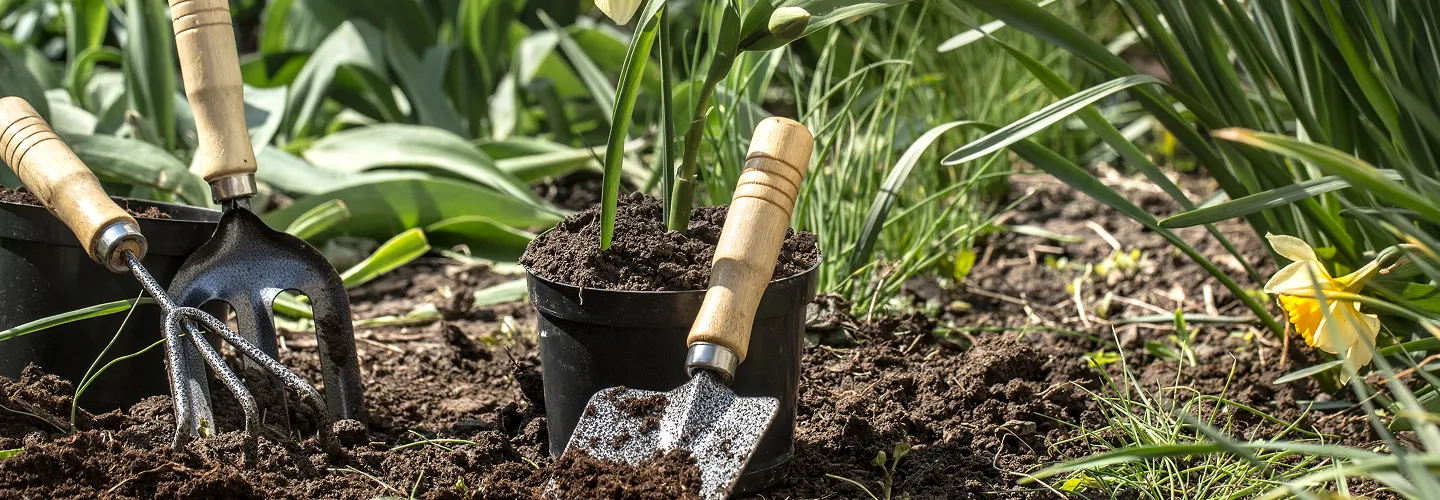
Vidalia Lawn Leveling Services
Choose our expert lawn leveling services for a smoother, healthier yard that enhances curb appeal and makes maintenance a breeze—trust our team for reliable results and lasting beauty.
Get a Free QuoteOur Vidalia Landscaping & Yard Care Services
When to Schedule Lawn Leveling in Vidalia, Georgia – Seasonal Guide
In Vidalia, Georgia, the best time to schedule lawn leveling is typically during late spring or early fall. These seasons offer moderate temperatures and consistent rainfall, which help newly leveled lawns recover quickly and establish healthy growth. Vidalia’s climate, characterized by warm, humid summers and mild winters, means that avoiding the peak heat of July and August—as well as the risk of frost from December through February—is crucial for optimal results. Neighborhoods near the Vidalia Onion Museum or along Jackson Street often experience varying shade coverage and soil types, which can influence the timing and approach to lawn leveling.
Local environmental factors such as the region’s sandy-loam soils, occasional drought risk, and the prevalence of mature oak and pine trees in areas like Pinecrest Drive all play a role in determining the best schedule for this service. Homeowners should also consider municipal guidelines and water usage restrictions, which can be found on the official city website, to ensure compliance and maximize the effectiveness of their lawn care efforts.
Local Factors to Consider for Lawn Leveling in Vidalia
- Tree density and shade coverage, especially in established neighborhoods
- Soil composition (sandy-loam is common in Vidalia)
- Seasonal precipitation patterns and drought risk
- Terrain slope and drainage characteristics
- Municipal restrictions on water usage or landscaping activities
- Proximity to landmarks or areas with unique microclimates
Benefits of Lawn Leveling in Vidalia
Enhanced Curb Appeal
Improved Lawn Health
Efficient Water Drainage
Smoother Mowing Experience
Increased Property Value
Reduced Pest Problems
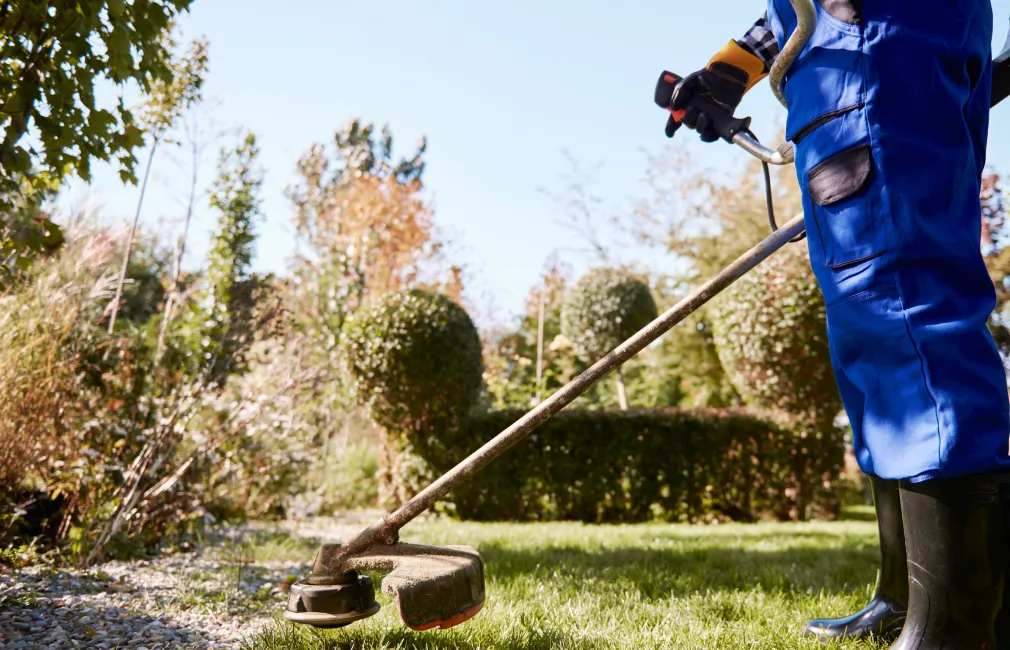
Vidalia Lawn Leveling Types

Topdressing Lawn Leveling
-
Sand Leveling
-
Soil Amendment Leveling
-
Laser Grading
-
Sod Replacement Leveling
-
Manual Raking Leveling
-
Power Raking Leveling
Our Lawn Leveling Process
Site Evaluation
Soil Preparation
Leveling Application
Compaction
Final Inspection
Why Choose Vidalia Landscape Services
-
Vidalia Homeowners Trust Us
-
Comprehensive Lawn Maintenance
-
Reliable Scheduling
-
Competitive Pricing
-
Experienced Professional Team
-
Satisfaction Guarantee
-
Personalized Service Plans
Vidalia's Coastal Plain Sandy Soils and Their Impact on Lawn Leveling Results
Vidalia sits within Georgia's Inner Coastal Plain region in USDA Hardiness Zone 8b, where predominant soil series such as Tifton, Leefield, and Pelham present distinct challenges for lawn leveling projects. These soils are characteristically sandy, acidic (typically pH 4.5–6.0), and prone to rapid drainage, which affects how fill material settles and bonds with existing grade. Property owners should understand several key soil factors before initiating leveling work:
- Low organic matter content in native sandy soils reduces binding capacity, causing topdressing material to shift during heavy rainfall events common from June through September.
- Subsurface hardpan layers (plinthite) found in Tifton series soils can impede drainage at 18–30 inches below grade, creating perched water tables that undermine leveling corrections.
- Acidic soil conditions may require lime amendment (typically 30–50 lbs per 1,000 sq ft) in conjunction with leveling to support turf recovery.
Residents can verify their specific soil series through the USDA Web Soil Survey and consult UGA Cooperative Extension for soil testing services through the Toombs County Extension office.
How Vidalia's Stormwater Drainage Patterns Affect Grading and Fill Placement
Lawn leveling that alters surface grade can redirect stormwater flow, making compliance with local drainage standards essential. Vidalia's relatively flat topography and sandy soils mean that even minor grade changes—as little as one to two inches—can shift runoff toward neighboring properties, roadside ditches, or municipal storm inlets. The Vidalia Code of Ordinances addresses property maintenance, grading, and drainage standards that residents must observe when modifying yard surfaces.
Before beginning leveling work, property owners and contractors should:
- Identify existing drainage flow paths and ensure fill placement does not obstruct natural sheet flow toward city right-of-way ditches or swales.
- Avoid directing runoff onto adjacent parcels, which may constitute a nuisance under municipal code.
- Protect nearby storm drain inlets with silt barriers or erosion control fabric during active grading, particularly within 25 feet of any inlet structure.
- Coordinate with the Vidalia Public Works Department if leveling work occurs near city-maintained ditches, culverts, or right-of-way areas to confirm that proposed grade changes will not impair municipal drainage infrastructure.
The Georgia EPD Watershed Protection Branch oversees broader water quality standards that apply when soil disturbance or sediment discharge could affect local waterways, including tributaries of the Ohoopee River system near Vidalia.
Vidalia Public Works Department
100 Main Street, Vidalia, GA 30474
Phone: (912) 537-4842
Official Website: Vidalia Public Works Department
Optimal Lawn Leveling Timing for Vidalia's Extended Warm-Season Growth Period
Timing is critical for successful lawn leveling in Vidalia, where warm-season turfgrasses—primarily bermudagrass, centipedegrass, and zoysiagrass—dominate residential landscapes. The extended growing season, typically from mid-April through mid-October, provides a wide but strategically important window for leveling work. UGA Cooperative Extension guidance recommends the following timing principles:
- Late April through June is the ideal primary window, when soil temperatures consistently exceed 65°F and warm-season turf is in active growth, allowing grass to recover through stolons and rhizomes growing over topdressing material.
- Apply no more than ½ inch of leveling mix per application to avoid smothering turf crowns; severely uneven lawns may require two to three applications spaced four to six weeks apart.
- Avoid leveling during July and August peak heat (average highs of 92–95°F in Vidalia) unless supplemental irrigation is available, as stressed turf recovers poorly under extreme temperatures.
- September through early October offers a secondary window before dormancy, though recovery rates slow as nighttime temperatures drop below 60°F.
Vidalia receives approximately 46–50 inches of annual rainfall, with heaviest totals from June through September. Scheduling leveling work to avoid periods of sustained heavy rain prevents washout of freshly applied material and reduces sediment migration. The National Weather Service provides localized forecasts through the Jacksonville, FL, Weather Forecast Office, which covers the Vidalia area.
Coordinating Lawn Leveling Projects with Vidalia's Municipal Code and Right-of-Way Standards
Property owners in Vidalia must ensure that lawn leveling activities comply with applicable municipal regulations, particularly when work extends near city rights-of-way, sidewalks, or utility easements. The Vidalia Code of Ordinances establishes standards for property maintenance, land disturbance, and the condition of frontage areas that directly affect how leveling projects should be planned and executed.
Key compliance considerations include:
- Right-of-way maintenance: Leveling work within or adjacent to city right-of-way strips must not obstruct sidewalks, drainage ditches, or sightlines at intersections. Fill material or equipment staged in the right-of-way may require coordination with the Vidalia Public Works Department.
- Soil and debris management: Excess fill, sand, or topsoil must not be deposited on public streets, in drainage ditches, or on neighboring properties. Cleanup of tracked material on roadways should occur the same day.
- Utility easement awareness: Before grading, property owners should contact Georgia 811 (dial 811) to mark underground utilities. Leveling equipment such as skid steers or motorized topdressers can damage shallow gas, water, or communication lines.
- Code enforcement: The Vidalia City Marshal's office handles ordinance compliance matters, including property conditions that may arise from incomplete or improperly executed grading work.
Vidalia City Marshal
Vidalia, GA 30474
Official Website: Vidalia City Marshal
Protecting Vidalia's Local Waterways During Soil Disturbance and Fill Operations
Vidalia is situated within the Ohoopee River watershed, and several smaller creeks and drainage channels run through or near developed areas of the city. Lawn leveling projects that involve soil disturbance, imported fill, or regrading near these features carry environmental responsibilities under both local and state frameworks. The Georgia Environmental Protection Division administers erosion and sedimentation control requirements under the Georgia Erosion and Sedimentation Act, which applies to land-disturbing activities exceeding certain thresholds.
Residents and contractors should observe the following precautions:
- Maintain vegetated buffers of at least 25 feet from any creek bank, drainage channel, or wetland edge. Do not place fill material, sand, or topsoil within these buffer areas.
- Install temporary erosion controls—such as silt fencing or straw wattles—on the downslope side of leveling work when the project area exceeds 500 square feet or is located on a slope greater than 5%.
- Use clean, certified fill material free of construction debris, invasive plant material, or contaminants. Sandy loam or sand-soil blends compatible with existing Coastal Plain soils are preferred for topdressing in the Vidalia area.
- Stabilize exposed soil within 14 days of completing leveling work by seeding, sodding, or applying straw mulch to prevent sediment transport during rain events.
For projects involving more than one acre of disturbance, a Land Disturbance Permit and an approved erosion and sedimentation control plan may be required through the county or state. Verify current thresholds with Toombs County Planning and Development Resources.
Georgia Environmental Protection Division
2 Martin Luther King Jr. Drive SE, Suite 1462, Atlanta, GA 30334
Phone: (404) 656-4713
Official Website: Georgia Environmental Protection Division
What Neighborhoods Do We Serve Throughout Vidalia, GA?
- Downtown Vidalia / Historic Core: Older residential lots near Church Street and Jackson Street often feature compacted soils from decades of use, mature tree root systems that create uneven surfaces, and narrow lot access that may require smaller leveling equipment.
- Meadows / South Vidalia: Properties south of the downtown area along US-280 corridor tend toward flatter terrain with Tifton and Leefield sandy soils, where poor surface drainage and low spots accumulate standing water after summer storms—common triggers for leveling requests.
- North Vidalia / GA-292 Corridor: Newer subdivisions in this area may have compacted builder fill soils that settle unevenly within the first several years after construction, creating depressions around foundations and along driveways.
- Adams Park / Recreation Area Vicinity: Lots near the Vidalia Parks and Recreation facilities along Adams Street may border municipal drainage infrastructure and require coordination with the Vidalia Parks and Recreation Department when leveling work approaches park boundaries or shared drainage features.
- West Vidalia / Pinecrest Area: Established neighborhoods with mature pine canopy experience surface root intrusion and acidic needle accumulation that contribute to uneven turf surfaces, requiring root-sensitive leveling approaches and potential pH correction.
- Aimwell Road / East Vidalia: Properties along the eastern edges of the city limits transition toward more rural lot sizes with mixed sandy-loam soils and open drainage ditches that must be protected during any fill or grading operations.