
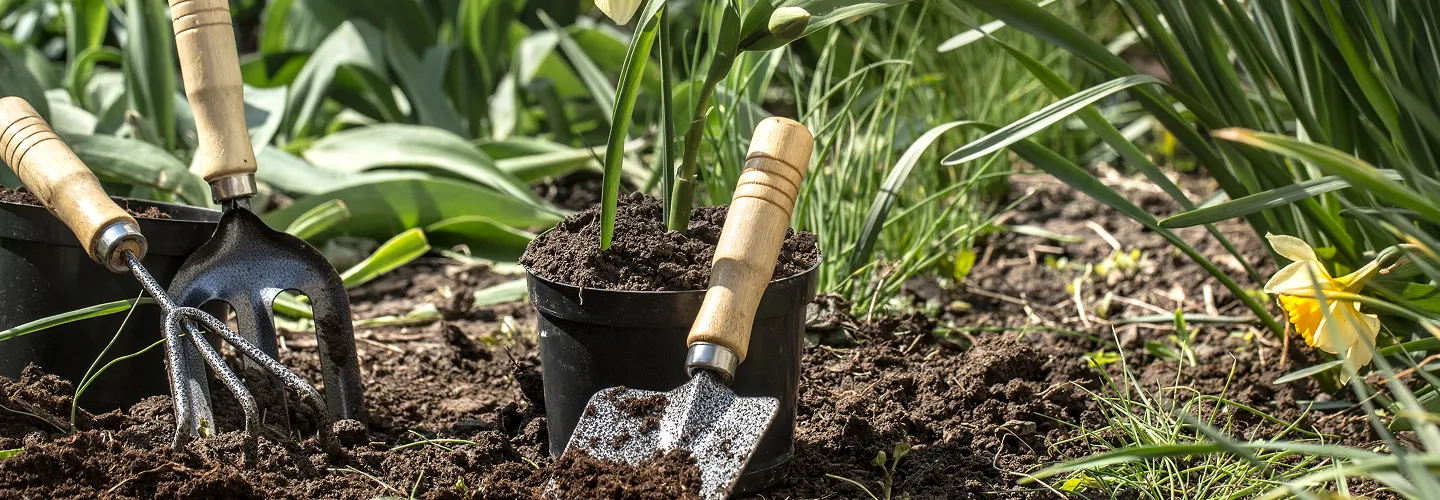
Vidalia Flower Planting Services
Choose our flower planting services for vibrant, expertly arranged blooms that enhance your home's curb appeal and create a welcoming outdoor oasis tailored to your style.
Get a Free QuoteOur Vidalia Landscaping & Yard Care Services
When to Schedule Flower Planting in Vidalia, Georgia – Seasonal Guide
Flower planting in Vidalia, Georgia, is best scheduled with careful attention to our region’s unique climate and landscape. The optimal planting windows typically fall in early spring, after the last frost date—usually late March to early April—and again in early fall, when temperatures begin to cool but before the first frost arrives. Vidalia’s humid subtropical climate, with its warm summers and mild winters, allows for a diverse range of flowers, but timing is crucial to ensure healthy growth and vibrant blooms.
Local factors such as the sandy loam soils common in neighborhoods like Pinecrest and the shade coverage from mature oaks in areas near the Vidalia Onion Museum can influence planting success. It’s important to consider the risk of late spring frosts, especially in lower-lying parts of the city, as well as the potential for summer droughts. For more information on local planting guidelines and municipal considerations, visit the official city resource.
Local Factors to Consider for Flower Planting in Vidalia
- Proximity to large trees and resulting shade coverage
- Soil type and drainage, especially in historic districts
- Average precipitation and risk of summer drought
- Terrain elevation and frost pockets
- Municipal restrictions or neighborhood association guidelines
Benefits of Flower Planting in Vidalia
Expert Local Knowledge
Customized Landscape Designs
Seasonal Plant Selection
Enhanced Curb Appeal
Eco-Friendly Practices
Reliable Maintenance Services
Vidalia Flower Planting Types

Perennial Flower Beds
Perennial flower beds offer long-lasting color and require minimal replanting each year.
-
Annual Flower Displays
Annual flower displays provide vibrant seasonal color and can be changed each year for variety.
-
Native Wildflower Gardens
Native wildflower gardens support local pollinators and thrive in Vidalia’s climate.
-
Shade Garden Plantings
Shade garden plantings feature flowers that flourish in low-light areas of your landscape.
-
Pollinator-Friendly Beds
Pollinator-friendly beds attract bees, butterflies, and hummingbirds to your garden.
-
Container Flower Arrangements
Container flower arrangements add color and flexibility to patios, decks, and entryways.
-
Cut Flower Gardens
Cut flower gardens are designed for harvesting blooms to enjoy indoors throughout the season.
Our Flower Planting Process
Site Evaluation
Soil Preparation
Plant Selection
Careful Planting
Watering and Mulching
Why Choose Vidalia Landscape Services
-
Vidalia Homeowners Trust Us
-
Comprehensive Lawn Maintenance
-
Reliable Scheduling
-
Competitive Pricing
-
Experienced Professional Team
-
Satisfaction Guarantee
-
Personalized Service Plans
Vidalia's Coastal Plain Soils and Their Impact on Flower Bed Preparation
Vidalia sits within Georgia's Inner Coastal Plain region, where soils are predominantly sandy loams from the Tifton, Leefield, and Pelham soil series. These soils, mapped through the USDA Web Soil Survey, are characteristically acidic—often ranging from pH 4.8 to 5.8—and drain rapidly, which directly affects how flower beds must be prepared and amended. The city falls within USDA Hardiness Zone 8b, with minimum winter temperatures between 15°F and 20°F. Before planting, property owners should address several soil-related factors:
- Organic matter deficiency: Sandy Coastal Plain soils hold limited nutrients; incorporating 3–4 inches of composted material into the top 8–10 inches of bed soil improves moisture retention and fertility.
- Rapid drainage: Flower beds in Vidalia often require supplemental irrigation during dry stretches, particularly from May through September.
- Soil pH correction: Lime applications may be necessary to raise pH for species that prefer neutral conditions; a soil test through the UGA Cooperative Extension Toombs County office provides precise recommendations.
Addressing these conditions before planting ensures root establishment and reduces long-term plant loss.
Optimal Flower Planting Windows for Vidalia's Extended Growing Season
Vidalia's long, warm growing season—typically spanning from mid-March through late November—provides an extended window for flower planting, but timing must be calibrated to species type and seasonal heat. The National Weather Service data for the region indicates that the average last spring frost falls near mid-March, while the first fall frost typically arrives in mid-to-late November. Residents and property managers should follow these general planting guidelines:
- Cool-season annuals (pansies, snapdragons, dianthus): Plant from late October through early December for winter and early spring color; these species tolerate Vidalia's mild winters but decline rapidly once sustained daytime temperatures exceed 80°F.
- Warm-season annuals (zinnias, lantana, pentas, vinca): Install after the last frost date, ideally from late March through May, to allow establishment before peak summer heat.
- Perennials (coneflower, salvia, daylily, black-eyed Susan): Fall planting from September through October is preferred, allowing root development during cooler soil temperatures before the following summer's stress.
- Summer bulbs (caladium, gladiolus): Plant after soil temperatures reach 65°F, typically by mid-April in Vidalia.
Planting during early morning or late afternoon reduces transplant shock during warm months.
Protecting Vidalia's Drainage Infrastructure During Flower Bed Installation
Flower bed installation and soil amendment work can generate loose soil, mulch, and organic debris that may migrate into Vidalia's stormwater drainage system if not properly managed. The city's relatively flat topography and network of roadside ditches and storm inlets mean that sediment from disturbed planting beds can reach local waterways, including tributaries of the Altamaha River basin. The Georgia EPD Watershed Protection Branch oversees water quality standards that apply to sediment and nutrient discharge statewide. Property owners and contractors should observe the following precautions:
- Avoid stockpiling soil or mulch near storm drains, curb inlets, or roadside ditches.
- Use silt barriers, straw wattles, or temporary edging around beds adjacent to impervious surfaces during installation.
- Do not wash excess soil or fertilizer into gutters or drainage swales.
- Apply mulch at 2–3 inches maximum depth to prevent flotation and displacement during heavy rain events.
The Vidalia Public Works Department manages vegetation and right-of-way maintenance within city limits and can provide guidance on drainage-sensitive areas. Verify current requirements before beginning large-scale bed installations near public infrastructure.
Vidalia Public Works Department
100 Main Street, Vidalia, GA 30474
Phone: (912) 537-4842
Official Website: Vidalia Public Works Department
How Vidalia's Municipal Codes Affect Frontage Plantings and Right-of-Way Beds
Property owners considering flower plantings along street frontages, sidewalks, or within city right-of-way areas should review the Vidalia Code of Ordinances before installation. Municipal codes may regulate vegetation height, placement relative to sidewalks and roadways, and sightline clearance at intersections and driveways. Key considerations include:
- Sightline triangles: Plantings at corner lots or near driveway aprons must not obstruct driver visibility; tall-growing species should be avoided within sight triangles as defined by local ordinance.
- Right-of-way encroachment: Flower beds extending into the public right-of-way may require coordination with the city; unauthorized plantings in these areas may be subject to removal.
- Nuisance vegetation: Overgrown or unmaintained beds that encroach on sidewalks or create pest harborage may trigger code compliance action through the Vidalia City Marshal's office.
Property owners should confirm setback and clearance requirements with the city before establishing new beds along public-facing frontages. The City Marshal enforces ordinance compliance related to property maintenance and vegetation standards.
Vidalia City Marshal
Vidalia, GA 30474
Official Website: Vidalia City Marshal
Selecting Heat- and Humidity-Tolerant Flower Species for Vidalia Landscapes
Vidalia's summer conditions—with average high temperatures exceeding 90°F from June through August and relative humidity frequently above 70%—demand careful species selection for flower beds. Plants that cannot tolerate sustained heat, humidity, and periodic drought will decline rapidly. The UGA Cooperative Extension recommends the following categories of proven performers for South Georgia landscapes:
- Full-sun annuals: Vinca (Catharanthus roseus), lantana, pentas, portulaca, and celosia tolerate Vidalia's intense summer sun and sandy, well-drained soils.
- Shade-tolerant options: Caladiums, impatiens (where downy mildew pressure is managed), and begonias perform well under mature tree canopy or on north-facing exposures.
- Native and adapted perennials: Coreopsis (Georgia's state wildflower), rudbeckia, gaillardia, and native salvia establish deep root systems suited to Coastal Plain soils and require less supplemental irrigation once established.
- Pollinator-friendly selections: Bee balm, butterfly weed (Asclepias tuberosa), and purple coneflower support local pollinator populations and align with sustainable landscape practices.
Avoid species bred for cooler climates, such as delphinium or lupine, which typically fail in Vidalia's prolonged summer heat. Grouping plants by water needs—a practice known as hydrozoning—reduces irrigation waste and supports compliance with any drought-related water conservation guidance issued by the Georgia EPD.
What Neighborhoods Do We Serve Throughout Vidalia, GA?
- Downtown Vidalia: Older residential lots with mature shade trees and compacted soils often require additional soil amendment and shade-tolerant flower selections; proximity to city infrastructure means right-of-way and sightline regulations are particularly relevant for frontage beds.
- Aimwell Road Corridor: A mix of established homes and newer development with varying lot sizes; sandy loam soils drain quickly, and supplemental irrigation planning is essential for flower bed longevity during summer months.
- Meadows Subdivision Area: Newer residential development with open sun exposure and minimal tree canopy, well-suited for full-sun annuals and perennials but requiring mulch management to prevent soil moisture loss.
- Adams Street / West Vidalia: Older neighborhood with larger lots, mature oaks and pecans, and heavier shade conditions; caladiums, begonias, and other shade-adapted species perform best in these settings.
- North Vidalia / GA-297 Corridor: Properties near drainage ditches and low-lying areas should account for periodic wet conditions when selecting flower species and preparing bed drainage.
- Pine Forest Drive Area: Wooded residential lots with acidic, sandy soils beneath pine canopy; acid-loving species such as azaleas and native wildflowers are well-adapted, and soil pH testing is recommended before planting.